
The -ill Word Family
The -ill word family is a group of CVC words that all end with the same sounds and share the same short vowel (ɪ). The words are fill, gill, hill, mill, pill, sill.
Word families are the natural unit of phonics instruction. Children do not learn a new word one at a time in isolation — they learn the pattern first, and then the individual words become easy. Once a child can read pig and understands that the ending sound stays the same, they can usually decode most of the other 6 words in this family.
All 6 –ill CVC Words
 fill
/fɪl/
Fill the glass.
actions
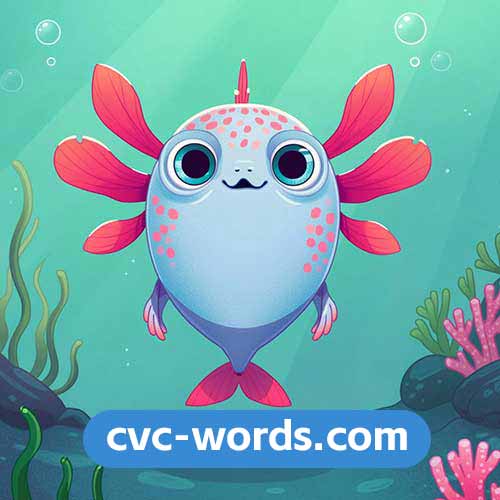 gill
/ɡɪl/
Fish gills.
animals
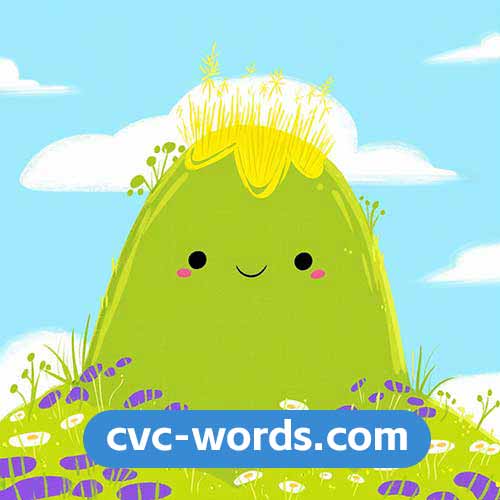 hill
/hɪl/
Climb the hill.
nature
 mill
/mɪl/
Old water mill.
objects
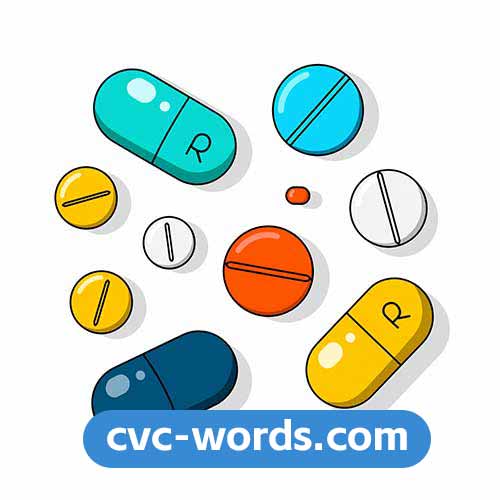 pill
/pɪl/
Take a pill.
objects
 sill
/sɪl/
Window sill.
objects
How to Teach the -ill Word Family
1. Say the rime on its own
Point to the letters “ill” and say the sound only: ɪ-ill. Children need to hear the family as one chunk, not as separate letters.
2. Add one consonant at a time
Blend from the family: fill, gill, hill, mill, pill, sill. Say each word slowly the first time and naturally the second time.
3. Contrast with a neighbouring family
Families that look similar are where the real learning happens. Try pairing this family with another -i family so children hear the difference between the first consonant sounds.
4. Read it in a sentence
Move to CVC sentences once the child can blend the words on their own. Isolated word reading and sentence reading are different skills.
Words in the -ill Family
Words with a full guide, picture and pronunciation:
Other Word Families
More CVC word families to work through:
-ill Word Family FAQ
How many words are in the -ill family?
Our list contains 6 -ill CVC words: fill, gill, hill, mill, pill, sill.
What sound does the -ill family make?
The vowel is the short i sound (ɪ) and the ending is “ill”. Because the vowel is closed in by consonants, it stays short — there is no silent e.
Which should I teach first?
Start with the word in this family that your child already knows in speech, so the written form connects to something familiar. Then add one new word at a time and read them all together at the end of the session.